Il mio intervento oggi sul quotidiano Il Centro l’8 ottobre 2026
Angelo De Nicola
WASHINGTON – Il viaggio in America per presentare a Washington The First Jubilee in History, l’edizione inglese del mio libro dedicato a Celestino V e alla Perdonanza, doveva essere soprattutto un appuntamento culturale nell’anno dell’Aquila Capitale italiana della Cultura 2026. È diventato invece, quasi naturalmente, qualcosa di diverso e di più profondo: un viaggio a ritroso nella storia della mia famiglia e, attraverso di essa, nella grande vicenda dell’emigrazione abruzzese negli Stati Uniti.
Il punto di partenza è stato “Casa Italiana”, a Washington, dove il 20 settembre l’ “Abruzzo and Molise Heritage Society” ha organizzato l’incontro dedicato al libro, con il patrocinio del Comune dell’Aquila, il sostegno della Fondazione Carispaq su iniziativa dell’associazione Kione APS. Ad aprire la manifestazione è stato il presidente dell’associazione Chris Renneker, mentre a coordinare l’incontro è stata Natasha Rovo, aquilana che vive e lavora a Washington (come Italo Ibi, anche lui presente all’incontro). Accanto a me c’era Lino Del Signore, traduttore del volume, ma soprattutto mio cugino che vive e lavora in California, e questa circostanza avrebbe finito per dare alla giornata un significato che andava ben oltre la presentazione editoriale.
Abbiamo raccontato al pubblico americano la vicenda di Pietro da Morrone, diventato Celestino V e quella sua straordinaria intuizione religiosa che anticipò di sei anni il primo Giubileo romano indetto da Bonifacio VIII nel 1300. Abbiamo parlato anche dell’Aquila di oggi, della città ferita dal terremoto del 6 aprile 2009 e della lunga ricostruzione che trova nel riconoscimento di Capitale italiana della Cultura 2026 un passaggio simbolico fondamentale verso una nuova stagione.
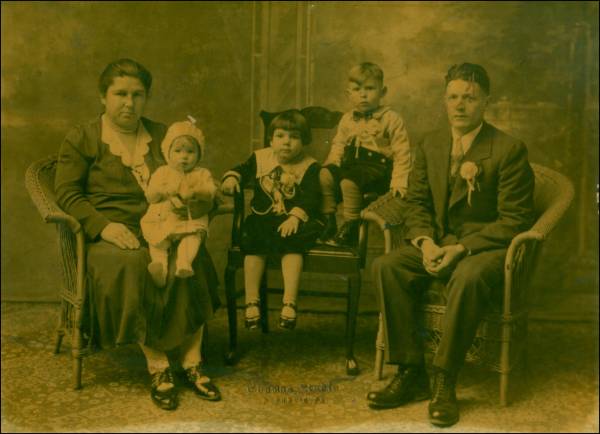
A un certo punto, sullo schermo è comparsa una vecchia fotografia di famiglia e il racconto ha cambiato prospettiva. Ritraeva i nostri nonni, Ercole Del Signore e Annunziata Fusari, partiti dall’Aquilano all’inizio degli anni Venti del Novecento. Ercole veniva da Tornimparte e in Pennsylvania avrebbe lavorato nelle miniere, condividendo il destino di migliaia di abruzzesi che attraversarono l’Atlantico per cercare nelle viscere della terra americana il futuro che la loro terra non riusciva più a garantire.
Quella storia l’avevo già raccontata vent’anni fa, nel settembre del 2006, nel discorso pronunciato in occasione del mio conferimento della cittadinanza onoraria di Tornimparte. Avevo ricordato la mia prima visita a Ellis Island nel 1993 e l’emozione provata davanti al Wall of Honor, dove sono incisi i nomi di milioni di immigrati arrivati negli Stati Uniti. Fra quei nomi avevo trovato anche quelli di Ercole e Annunziata e avevo pensato allora a quella parete come a una sorta di grande libro della memoria, nel quale ogni cognome nascondeva partenze, sacrifici, separazioni e speranze.
Non avrei potuto immaginare che vent’anni dopo quel discorso sarei tornato negli Stati Uniti insieme a un altro nipote di Ercole e Annunziata portando con noi una storia dell’Aquila. Io avevo scritto il libro sulla Perdonanza, Lino lo aveva tradotto in inglese: due discendenti di emigranti abruzzesi che tornavano nel Paese dei loro nonni non più alla ricerca di lavoro, ma per raccontare la cultura della terra dalla quale essi erano partiti. È stato difficile non cogliere in quella coincidenza il senso di un viaggio al contrario.
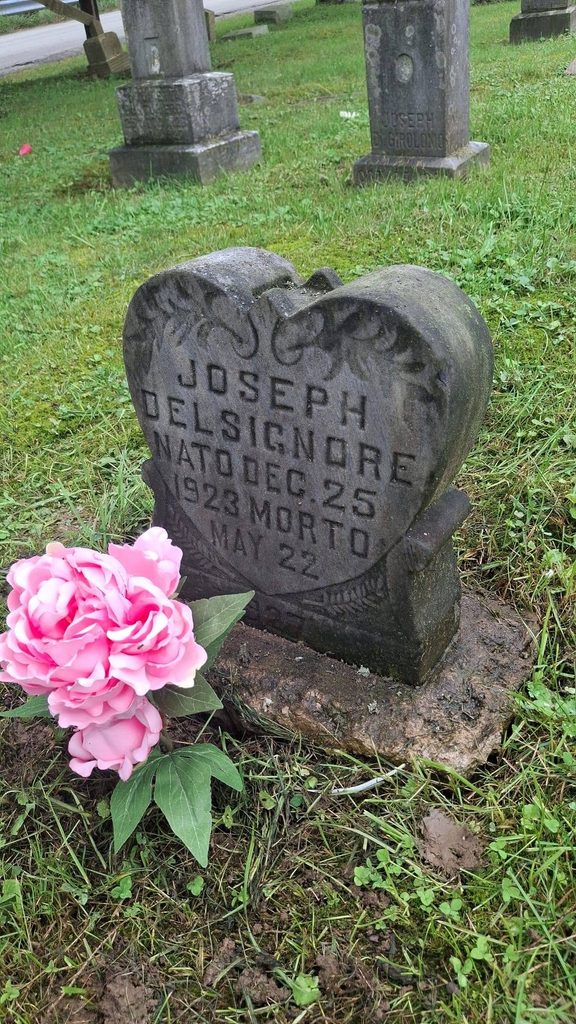
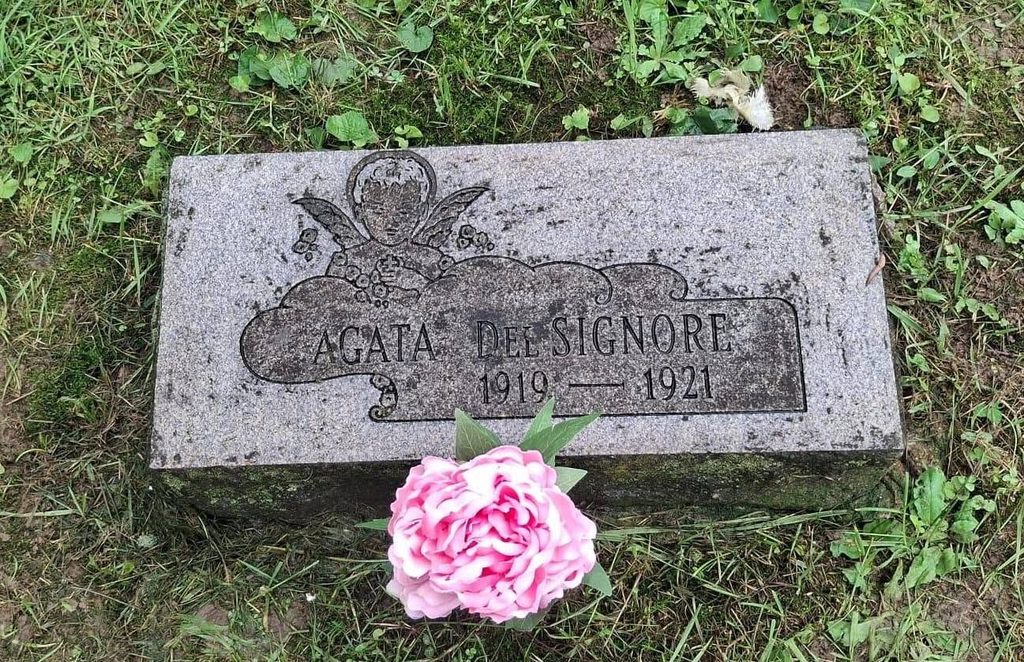
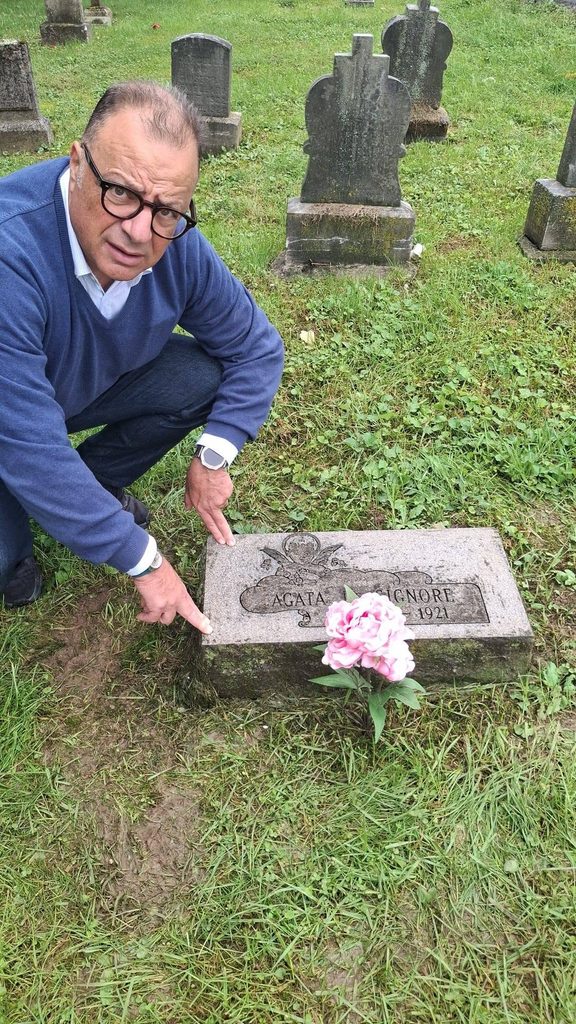
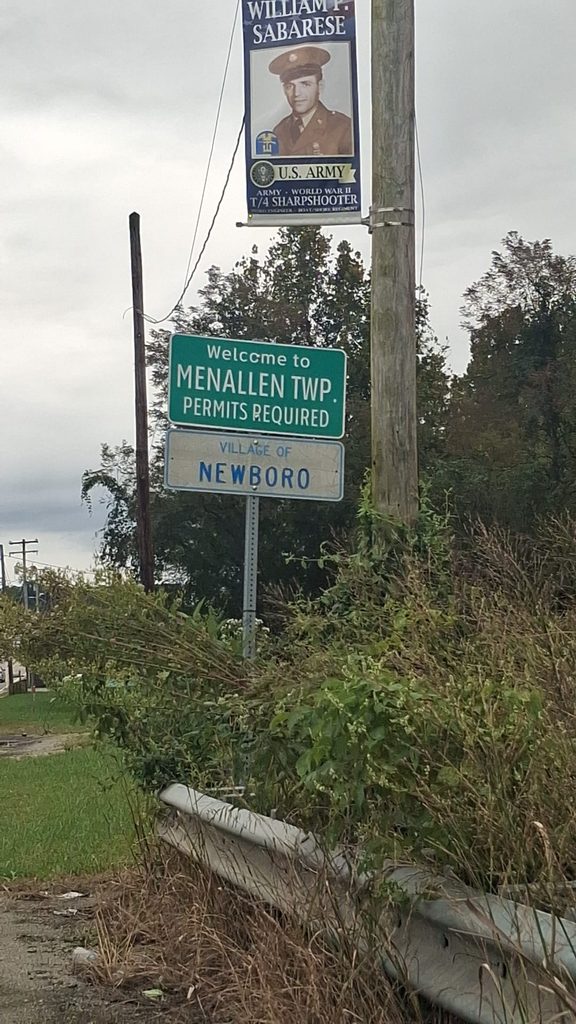
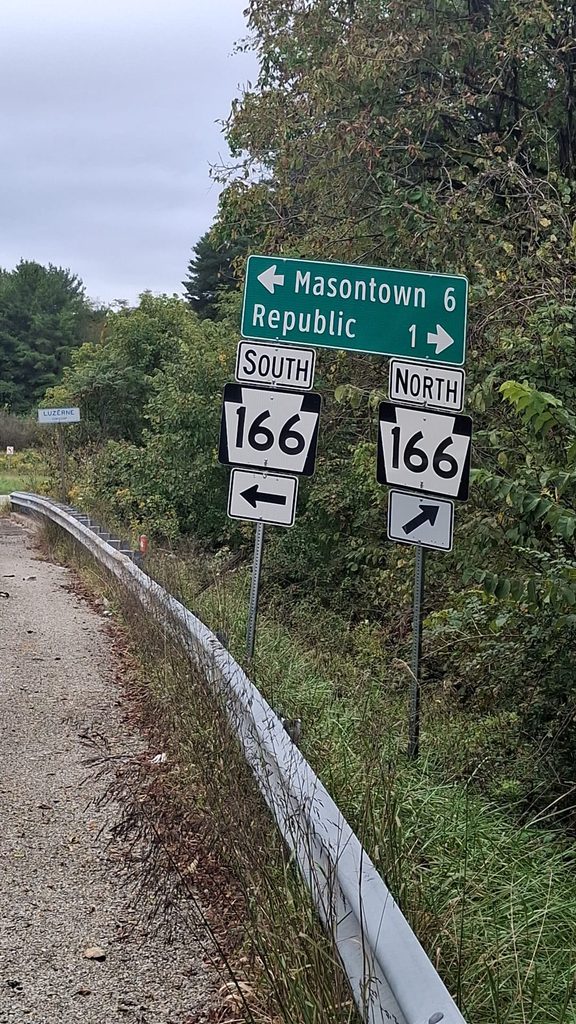
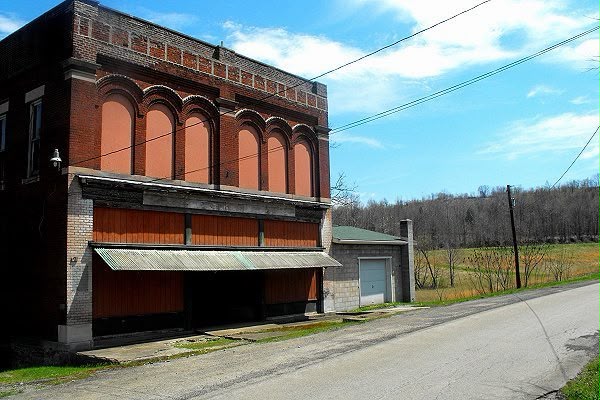
Dopo Washington abbiamo perciò seguito le tracce della famiglia fino in Pennsylvania, nella zona di Uniontown e Leckrone, dove Ercole aveva lavorato nelle miniere. Cercavamo soprattutto due piccole tombe, quelle di Agata e Giuseppe, i primi figli di Ercole e Annunziata, morti bambini negli Stati Uniti. Le abbiamo trovate in un cimitero vicino ai luoghi nei quali il nonno aveva lavorato e abbiamo ripulito le lapidi, segnate dal tempo, prima di lasciare un fiore.
È stato probabilmente quello il momento più intenso dell’intero viaggio, perché davanti a due nomi incisi sulla pietra la grande storia dell’emigrazione perde improvvisamente la dimensione dei numeri e diventa una vicenda umana concreta. Non ci sono più soltanto le statistiche degli italiani partiti, le navi, le miniere, i quartieri degli emigranti e le rimesse inviate alle famiglie rimaste nei paesi d’origine; ci sono un padre e una madre arrivati dall’Abruzzo, due bambini morti lontano dalla terra dei genitori e una famiglia che, nonostante tutto, avrebbe continuato il proprio cammino.
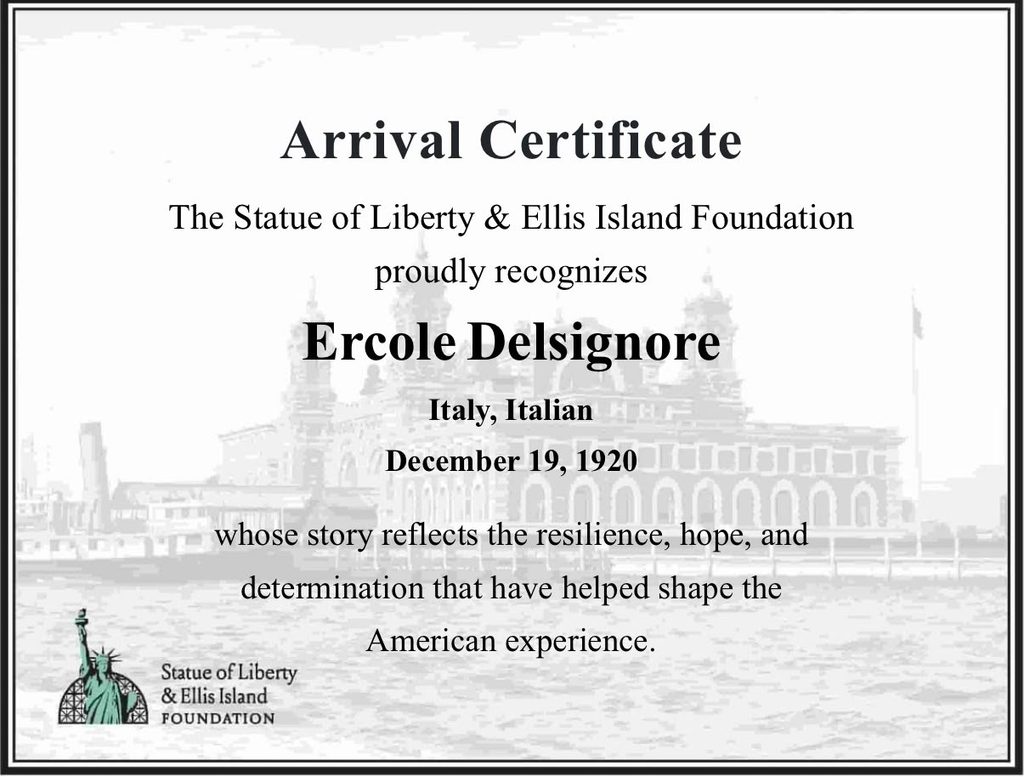
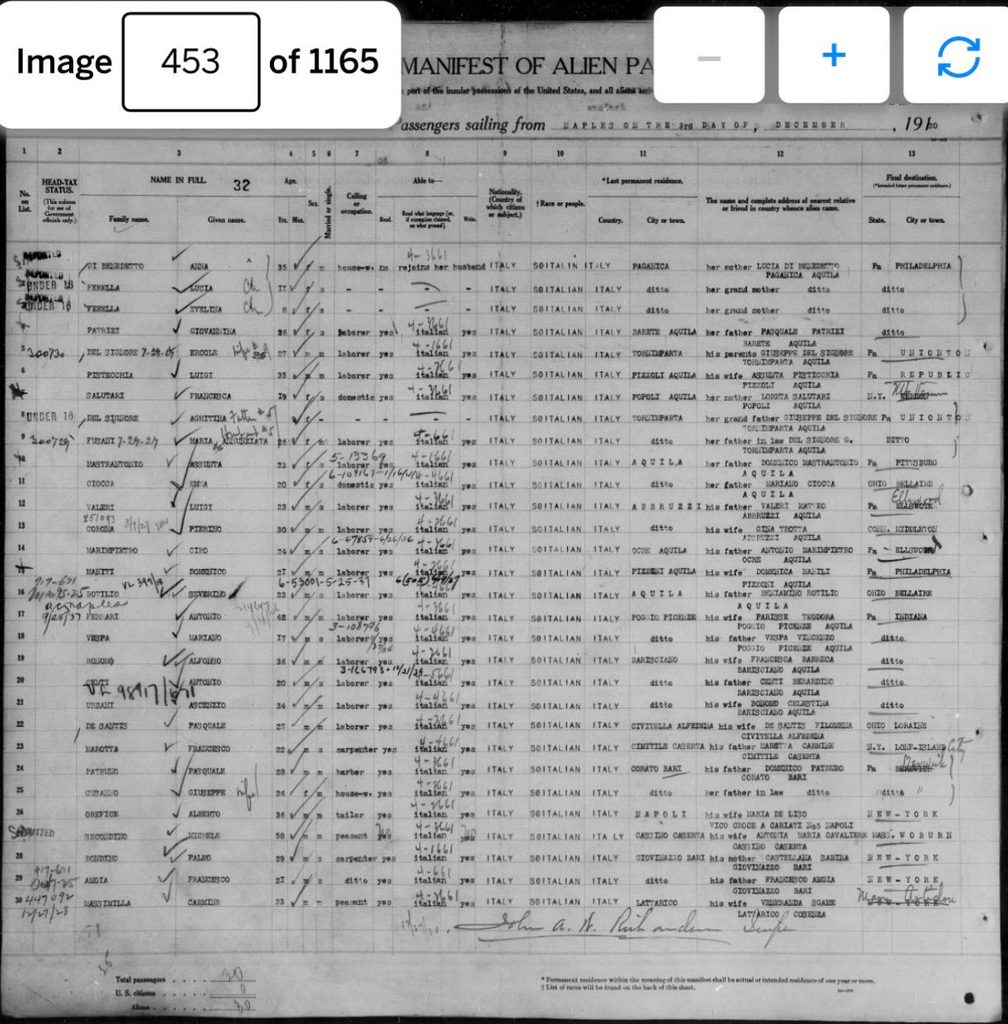
Anche la ricerca nei documenti di Ellis Island ha aggiunto un particolare inatteso. Nei registri relativi all’arrivo della famiglia compare, insieme a Ercole Del Signore e Maria Annunziata Fusari, una bambina indicata come “Aghitina”, che potrebbe essere proprio Agata. Persino i luoghi e i cognomi vengono deformati dalla trascrizione americana: Tornimparte diventa “Tornimparta”, Fusari si trasforma in “Fusani”. Errori apparentemente insignificanti che restituiscono però l’immagine concreta di uomini e donne arrivati dopo una lunga traversata davanti a funzionari che cercavano di trascrivere nomi pronunciati in una lingua sconosciuta.
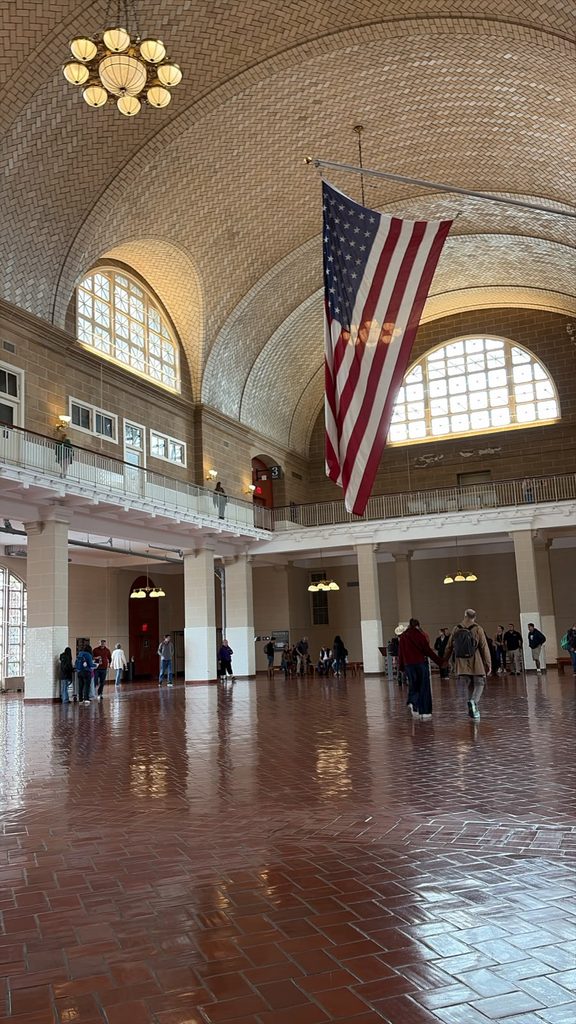
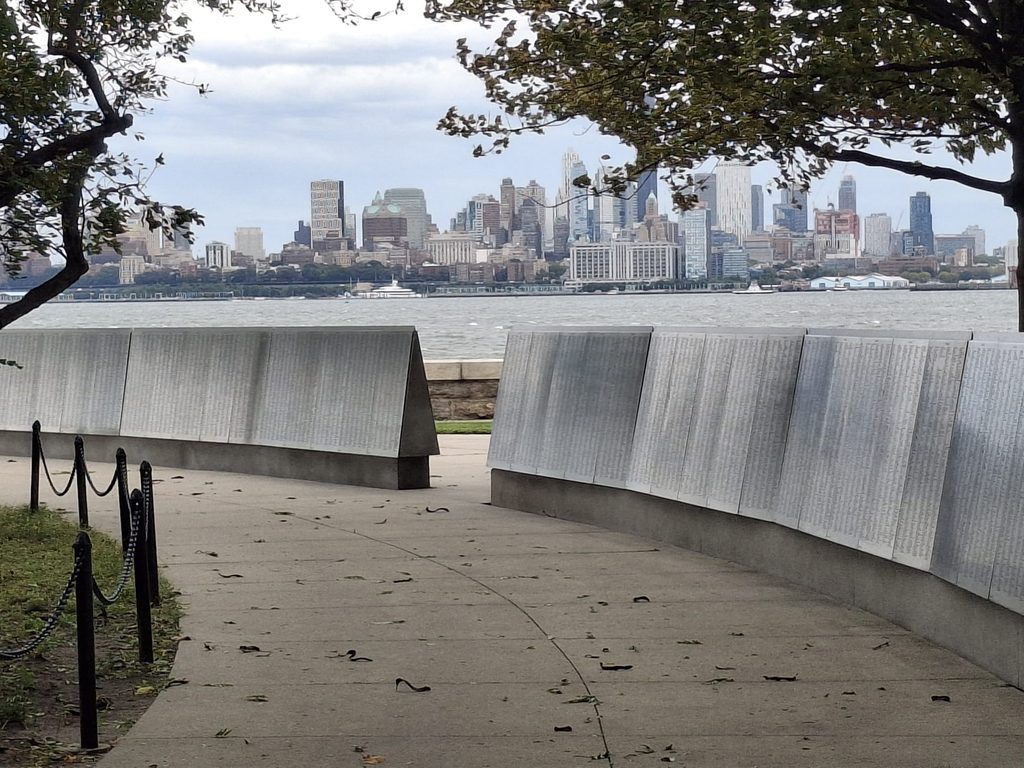
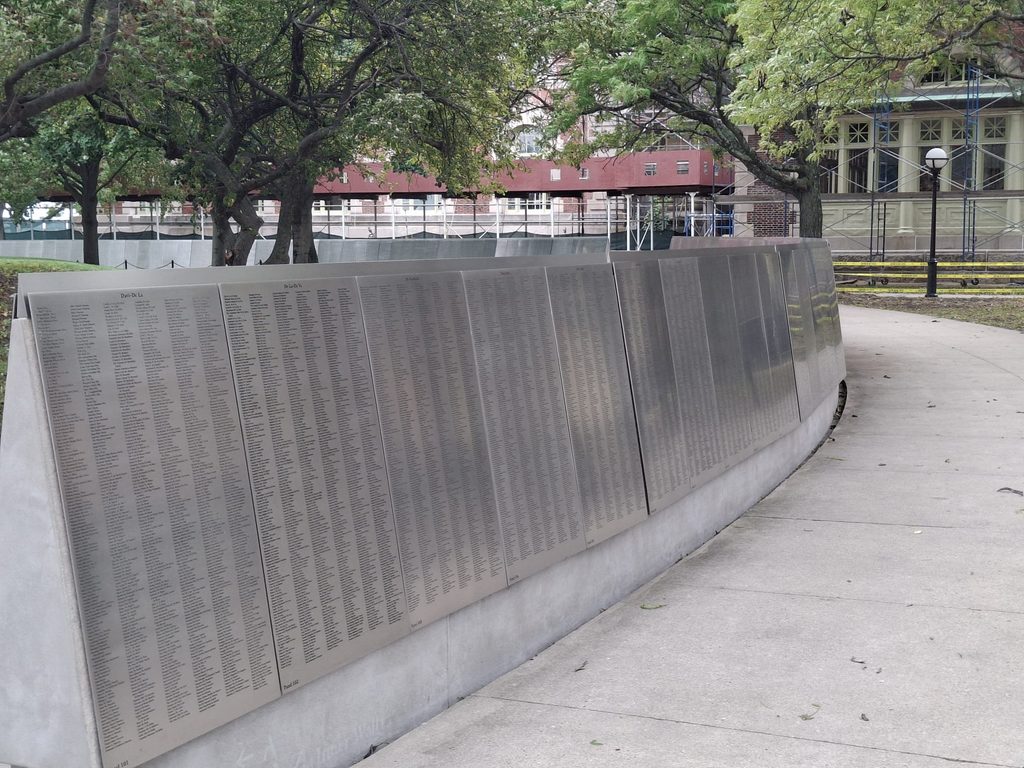
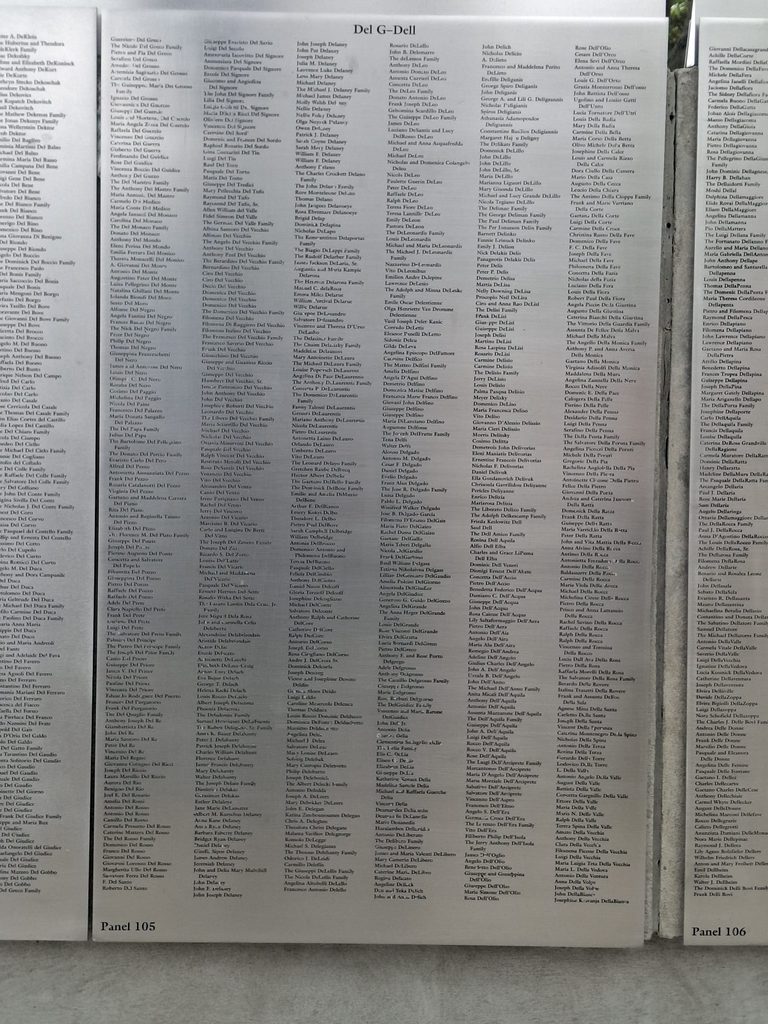
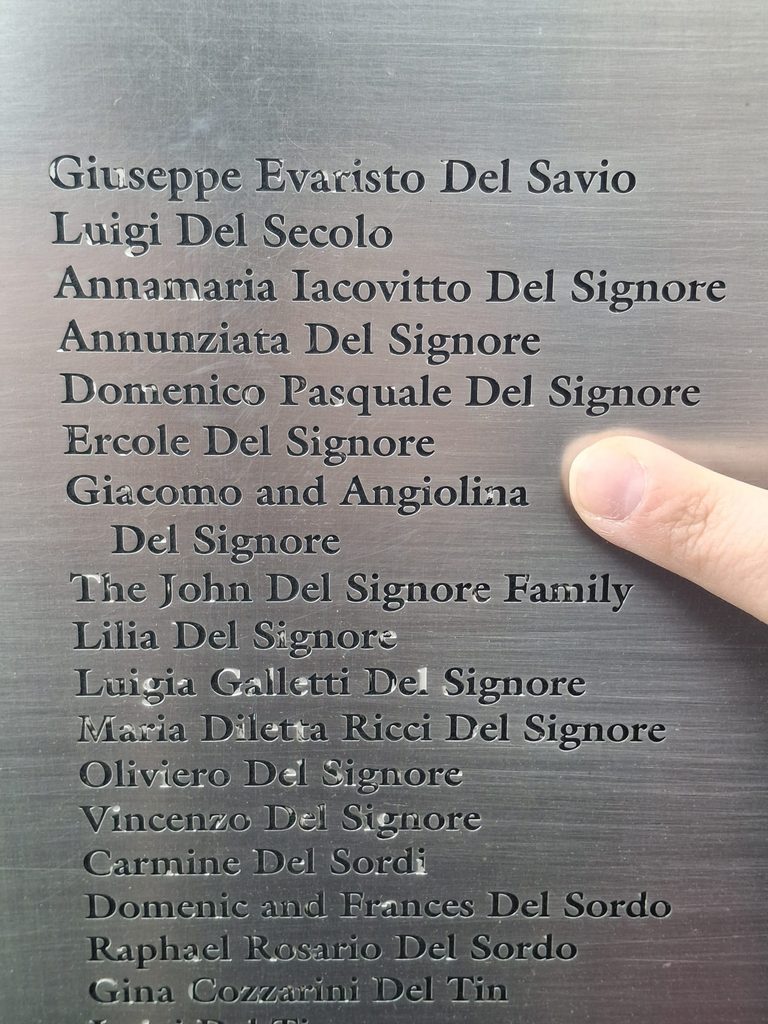
Il viaggio non poteva quindi che concludersi a Ellis Island, dove ero stato per la prima volta nel 1993. Tornare davanti al Wall of Honor dopo oltre trent’anni, questa volta conoscendo molti più particolari della storia familiare, ha avuto un significato completamente diverso. Ho ritrovato i nomi di Ercole Del Signore e Annunziata Fusari e li ho sfiorati ancora una volta con le dita, come avevo fatto allora: un gesto semplice che mi ha ricordato quanto la storia dell’emigrazione sia fatta soprattutto di nomi, ciascuno dei quali custodisce un mondo.
Ercole e Annunziata tornarono poi in Abruzzo, dopo aver messo da parte qualche dollaro, e all’Aquila crebbero sette figli. Tre di loro sarebbero successivamente emigrati di nuovo negli Stati Uniti, stabilendosi a Pittsburgh. L’Atlantico continuò dunque ad attraversare la famiglia, creando quel legame fra Abruzzo e America che appartiene non soltanto alla nostra vicenda privata, ma a migliaia di famiglie della regione.
Ripensando alla conferenza di Washington, anche la presentazione del libro assume allora un significato diverso. Più di un secolo fa i nostri nonni attraversarono l’oceano portando con sé ciò che avevano e soprattutto ciò che speravano di costruire; oggi due loro nipoti hanno percorso la stessa rotta per raccontare agli americani una parte della storia della terra dalla quale erano partiti. Da una parte l’emigrazione dettata dalla necessità, dall’altra il ritorno attraverso la cultura e la memoria.
Fra Washington, le miniere della Pennsylvania ed Ellis Island, alla fine il senso del viaggio è forse tutto qui: le radici non sono soltanto il luogo dal quale proveniamo, ma il filo che continua a legare persone, generazioni e continenti anche quando sembra essersi spezzato. A volte occorre attraversare di nuovo l’oceano per accorgersi che quel filo era ancora lì.
BOX
CELESTINO V RACCONTATO A WASHINGTON
La presentazione di The First Jubilee in History si è svolta il 20 settembre a Casa Italiana, a Washington, su iniziativa dell’Abruzzo and Molise Heritage Society. Il volume ricostruisce la vicenda di Celestino V e della Perdonanza aquilana, nata dalla Bolla del Perdono del 1294 e considerata dall’autore l’antecedente del Giubileo romano del 1300. L’incontro, inserito nel percorso di promozione dell’Aquila Capitale italiana della Cultura 2026, è stato aperto dal presidente dell’associazione Chris Renneker e coordinato da Natasha Rovo. Presente Lino Del Signore, autore della traduzione inglese del volume.
TRADUZIONE:
My article published today in the daily newspaper Il Centro, October 8, 2026
By Angelo De Nicola
WASHINGTON — My trip to America to present The First Jubilee in History in Washington, the English edition of my book about Celestine V and the Perdonanza, was meant primarily to be a cultural event during L’Aquila’s year as the Italian Capital of Culture for 2026. Instead, almost naturally, it became something different and more profound: a journey back through my family’s history and, through it, the broader story of emigration from Abruzzo to the United States.
The starting point was Casa Italiana in Washington, where, on September 20, the Abruzzo and Molise Heritage Society hosted a presentation of the book, under the auspices of the City of L’Aquila and with support from the Fondazione Carispaq, through an initiative of the Kione APS association. The society’s president, Chris Renneker, opened the event, which was moderated by Natasha Rovo, a native of L’Aquila who lives and works in Washington, as does Italo Ibi, who also attended. Beside me was Lino Del Signore, the book’s translator, but above all my cousin, who lives and works in California. His presence would ultimately give the day a meaning that reached well beyond the book presentation.
We told our American audience the story of Pietro da Morrone, who became Pope Celestine V, and of his extraordinary religious vision, which preceded by six years the first Roman Jubilee proclaimed by Boniface VIII in 1300. We also spoke about L’Aquila today, the city devastated by the earthquake of April 6, 2009, and its long reconstruction, for which its designation as the Italian Capital of Culture for 2026 marks a crucial symbolic step toward a new chapter.
At one point, an old family photograph appeared on the screen, and the story took on a different perspective. It showed our grandparents, Ercole Del Signore and Annunziata Fusari, who had left the L’Aquila area in the early 1920s. Ercole came from Tornimparte and would work in the mines of Pennsylvania, sharing the fate of thousands of people from Abruzzo who crossed the Atlantic to seek, deep beneath American soil, the future their homeland could no longer offer them.
I had already told that story twenty years earlier, in September 2006, in the speech I gave when I was awarded honorary citizenship of Tornimparte. I recalled my first visit to Ellis Island in 1993 and the emotion I felt standing before the Wall of Honor, where the names of millions of immigrants who came to the United States are engraved. Among those names, I had found Ercole and Annunziata. At the time, I thought of that wall as a vast book of remembrance, in which every surname held stories of departures, sacrifices, separations, and hopes.
I could never have imagined that, twenty years after that speech, I would return to the United States with another grandson of Ercole and Annunziata, bringing with us a story from L’Aquila. I had written the book about the Perdonanza, and Lino had translated it into English: two descendants of emigrants from Abruzzo returning to the country where their grandparents had once lived, this time to share the culture of the land they had left behind. It was hard not to see in that coincidence the meaning of a journey in reverse.
After Washington, we therefore followed our family’s trail to Pennsylvania, to the Uniontown and Leckrone area, where Ercole had worked in the mines. Above all, we were looking for two small graves: those of Agata and Giuseppe, Ercole and Annunziata’s first children, who had died in childhood in the United States. We found them in a cemetery near the places where our grandfather had worked, and we cleaned the weathered headstones before leaving a flower.
That was probably the most powerful moment of the entire trip, because, standing before two names carved in stone, the sweeping history of emigration suddenly ceases to be a matter of numbers and becomes a tangible human story. It is no longer just about statistics on Italians who left, ships, mines, immigrant neighborhoods, and money sent home to families in their native villages; it is about a father and mother who came from Abruzzo, two children who died far from their parents’ homeland, and a family that, despite everything, would continue on its journey.
Our search through Ellis Island records also revealed an unexpected detail. In the records documenting the family’s arrival, alongside Ercole Del Signore and Maria Annunziata Fusari, there is a little girl listed as “Aghitina,” who may well have been Agata. Even place names and surnames were altered in the American records: Tornimparte became “Tornimparta,” and Fusari became “Fusani.” Seemingly insignificant errors that nevertheless bring into focus the image of men and women, after a long ocean crossing, standing before officials who were trying to write down names spoken in an unfamiliar language.
The journey could therefore only end at Ellis Island, which I had first visited in 1993. Returning to the Wall of Honor more than thirty years later, this time knowing many more details of my family’s history, had an entirely different meaning. I found the names of Ercole Del Signore and Annunziata Fusari again and once more traced them with my fingers, as I had done back then: a simple gesture that reminded me how much the history of emigration is made up, above all, of names, each holding a world of its own.
Ercole and Annunziata later returned to Abruzzo, having saved a few dollars, and raised seven children in L’Aquila. Three of those children would later emigrate to the United States themselves, settling in Pittsburgh. The Atlantic thus continued to run through our family’s story, creating a bond between Abruzzo and America that belongs not only to our own family history, but to thousands of families across the region.
Looking back on the Washington event, the book presentation itself takes on a different meaning. More than a century ago, our grandparents crossed the ocean carrying what they had and, above all, their hopes for the life they would build; today, two of their grandsons have traveled the same route to tell Americans a part of the history of the land their grandparents left behind. One journey was driven by necessity; the other was a return through culture and memory.
Between Washington, the mines of Pennsylvania, and Ellis Island, perhaps this is ultimately what the journey meant: our roots are more than the place we come from; they are the thread that continues to connect people, generations, and continents, even when it seems to have broken. Sometimes we need to cross the ocean again to realize that the thread was still there.
SIDEBAR
CELESTINE V’S STORY SHARED IN WASHINGTON
The presentation of The First Jubilee in History took place on September 20 at Casa Italiana in Washington, hosted by the Abruzzo and Molise Heritage Society. The book traces the story of Celestine V and L’Aquila’s Perdonanza, established through the Bull of Forgiveness of 1294 and regarded by the author as the precursor to the Roman Jubilee of 1300. The event, part of the effort to promote L’Aquila as the Italian Capital of Culture for 2026, was opened by the society’s president, Chris Renneker, and moderated by Natasha Rovo. Lino Del Signore, who translated the book into English, also attended.
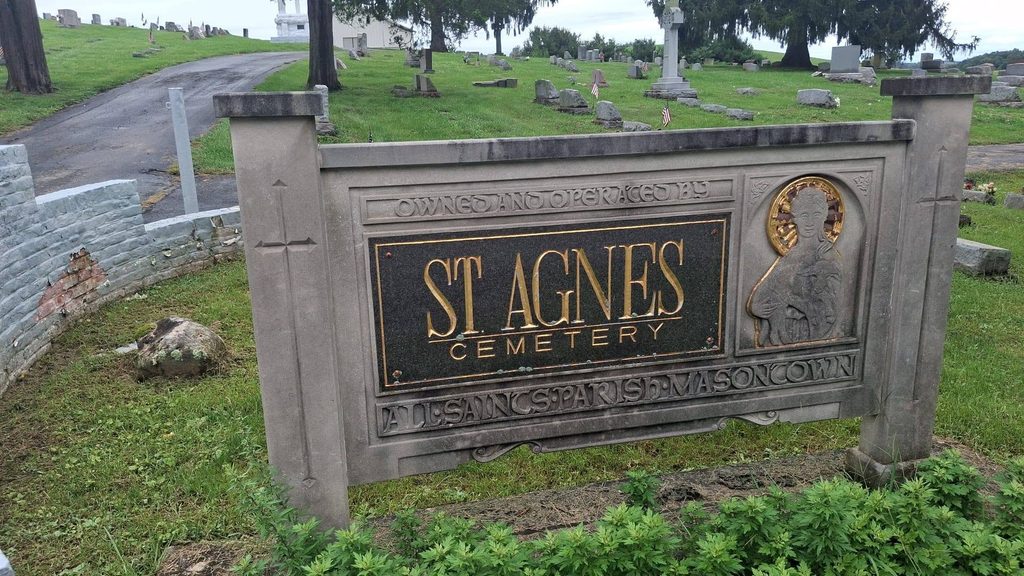
A UNIONTOWN e LECKRONE (Pittsburgh, Pennnsylvania)
La primogenita Agata (1919 -1921) e il secondogenito Giuseppe (Joseph 1923-1927) dei miei nonni Ercole Del Signore e Annunziata Fusari, morti bambini e sepolti in un piccolo cimitero vicino le miniere di Uniontown e Leckrone in Pennsylvania dove lavorava mio nonno. Abbiamo ripulito le lapidi e messo un fiore
A ELLIS ISLAND
La ricerca è proseguita a Ellis Island, a New York, presso il museo dell’emigrazione. Da come si legge nel documento, con nonno Ercole Del Signore (partito, è scritto, da “Tornimparta” e non Tornimparte) e nonna Annunziata Fusari (è scritto “Fusani” e non Fusari, Maria Annunziata) nel 1920 passa per Ellis Island anche la figlia “Aghitina” che, quindi, potrebbe essere la Agata della lapide a Uniontown (1919-1921).
Sulla lastra (“panel 105”) del “The wall of honour” i nomi incisi dei miei nonni. Li ho sfiorati come in un “braille della memoria”…
A NEW YORK
𝐀𝐋𝐋𝐀 𝐑𝐈𝐂𝐄𝐑𝐂𝐀 𝐃𝐄𝐋𝐋𝐄 𝐑𝐀𝐃𝐈𝐂𝐈 𝐍𝐄𝐆𝐋𝐈 𝐒𝐓𝐀𝐓𝐈 𝐔𝐍𝐈𝐓𝐈/𝟑
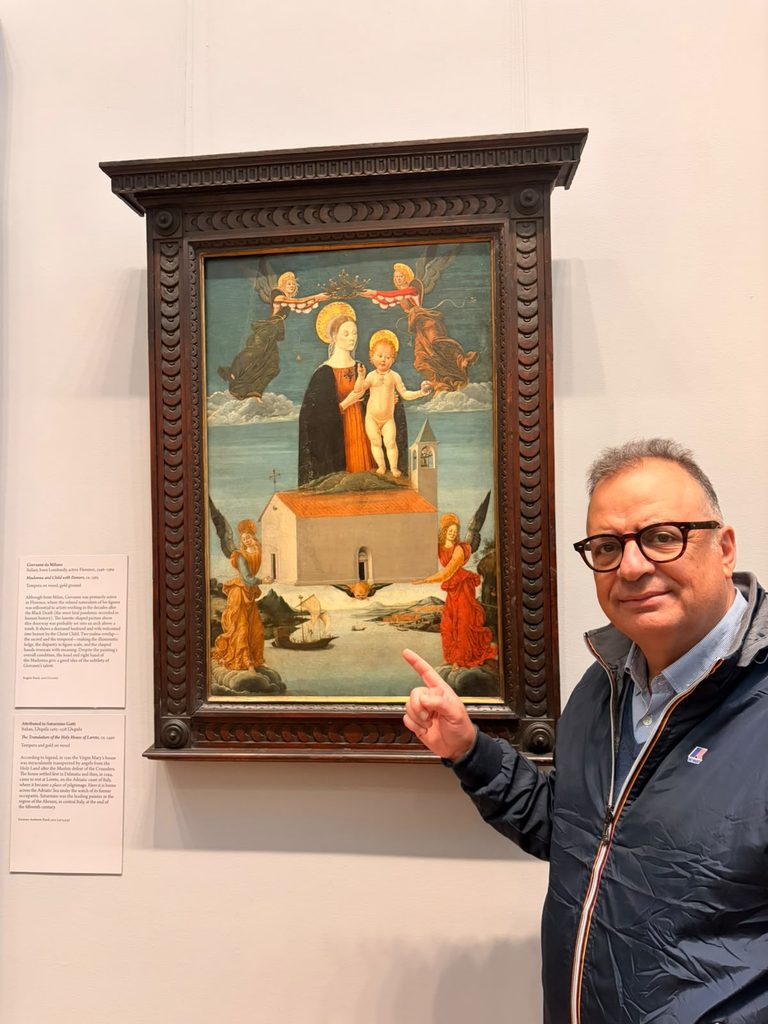
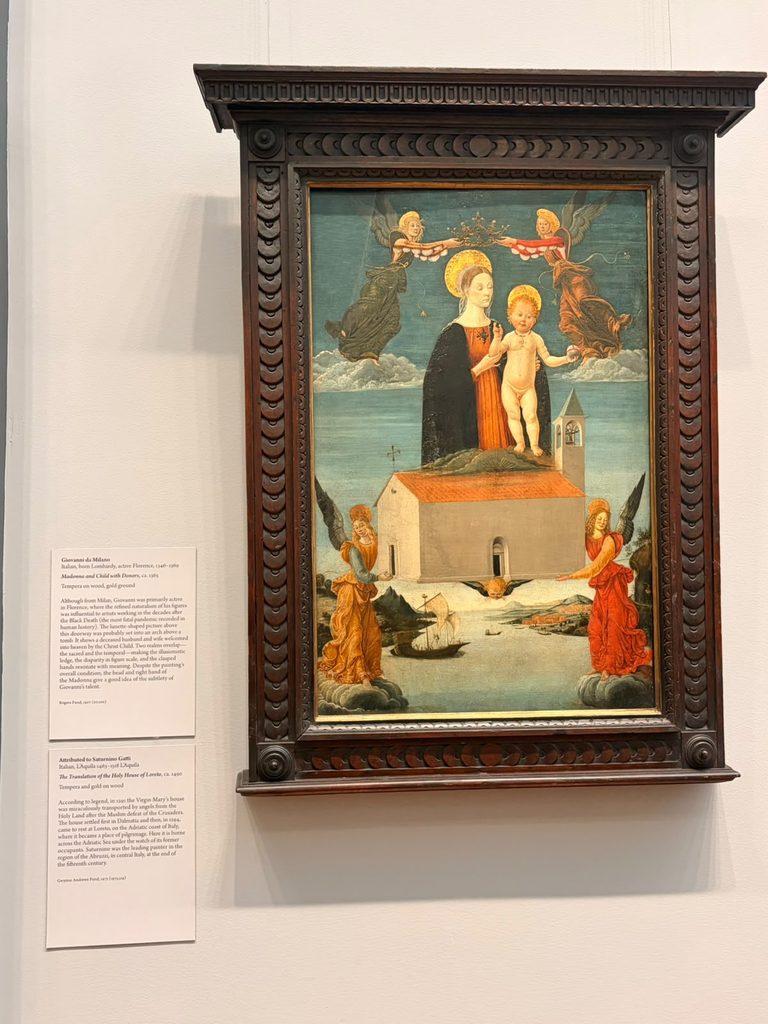
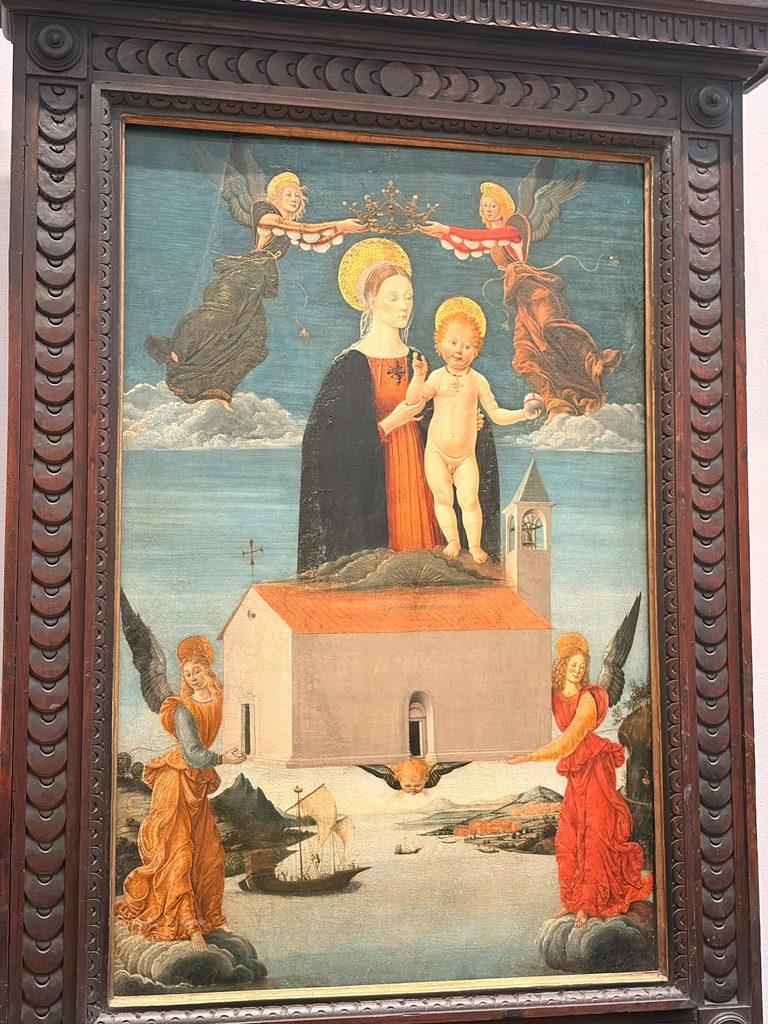
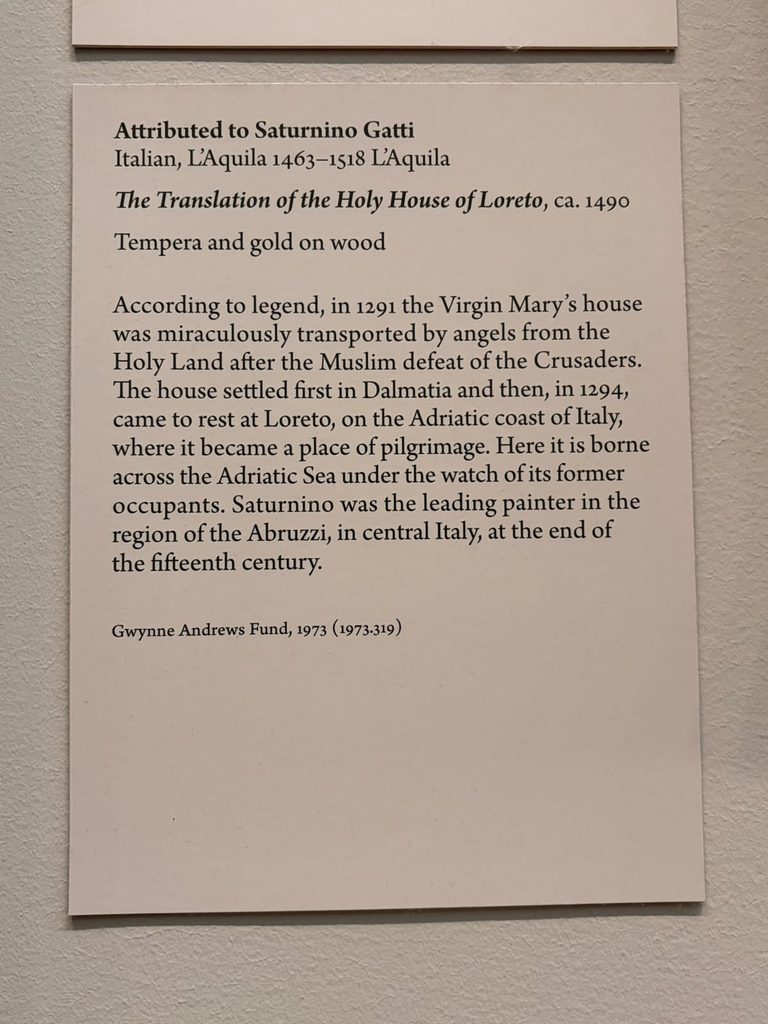
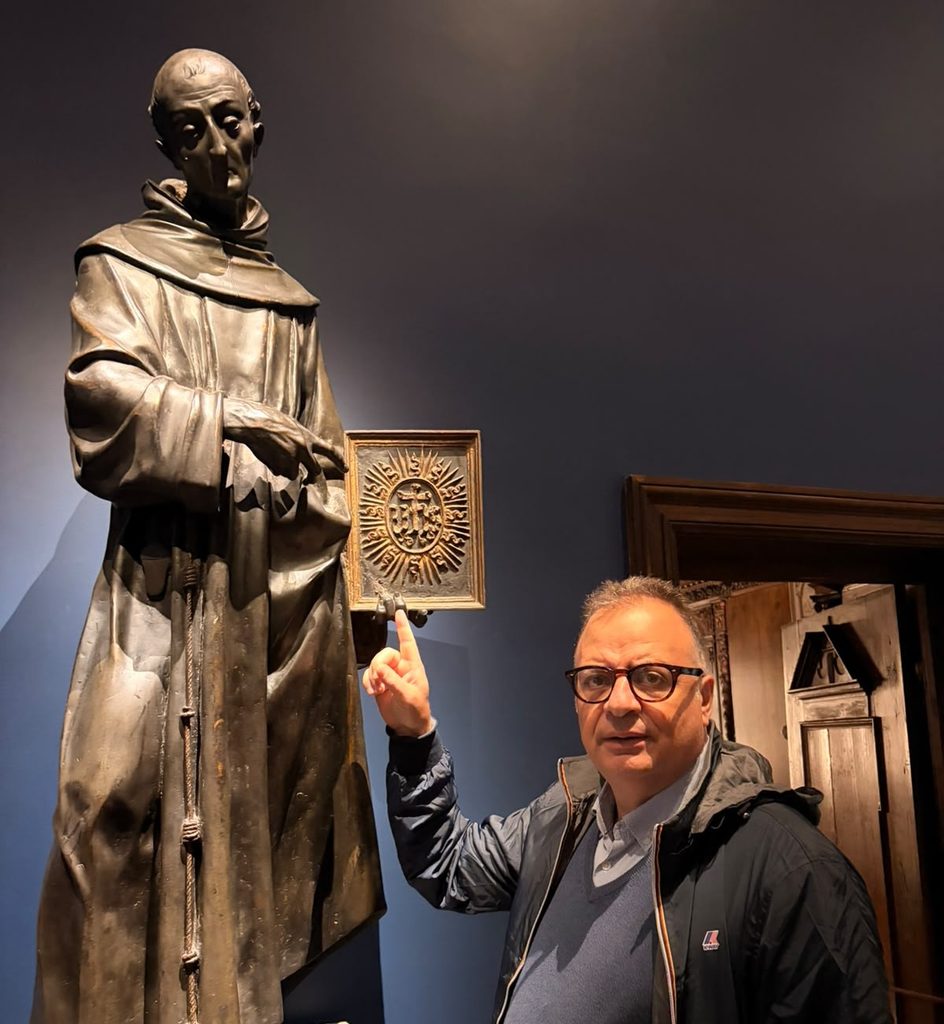
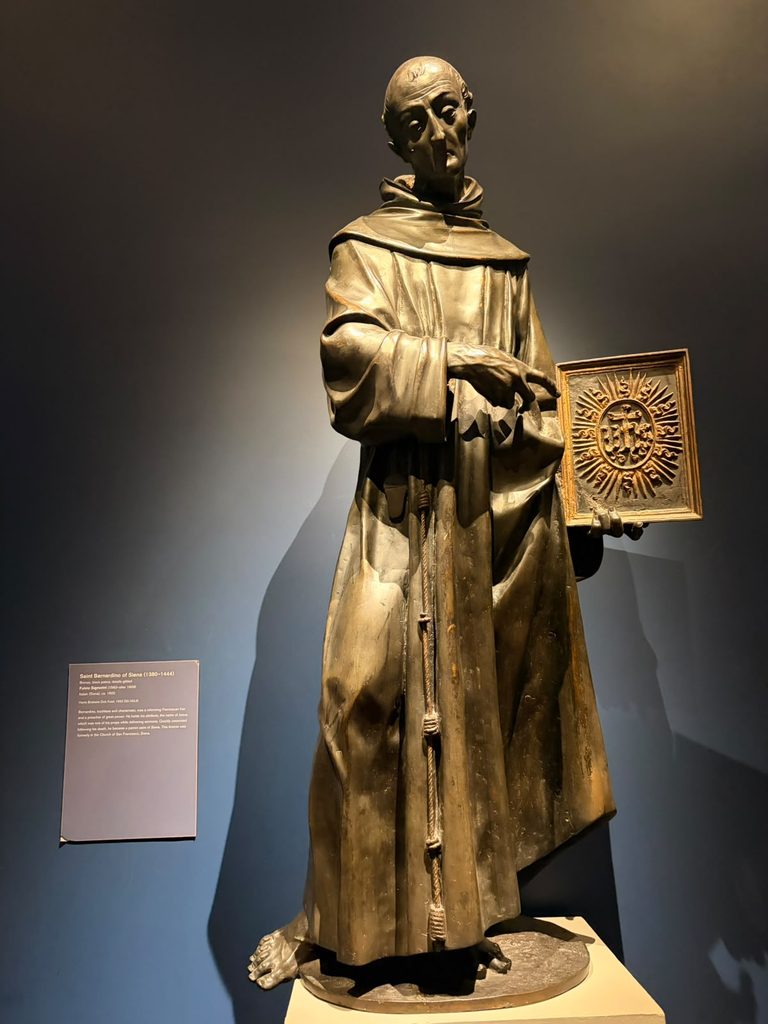
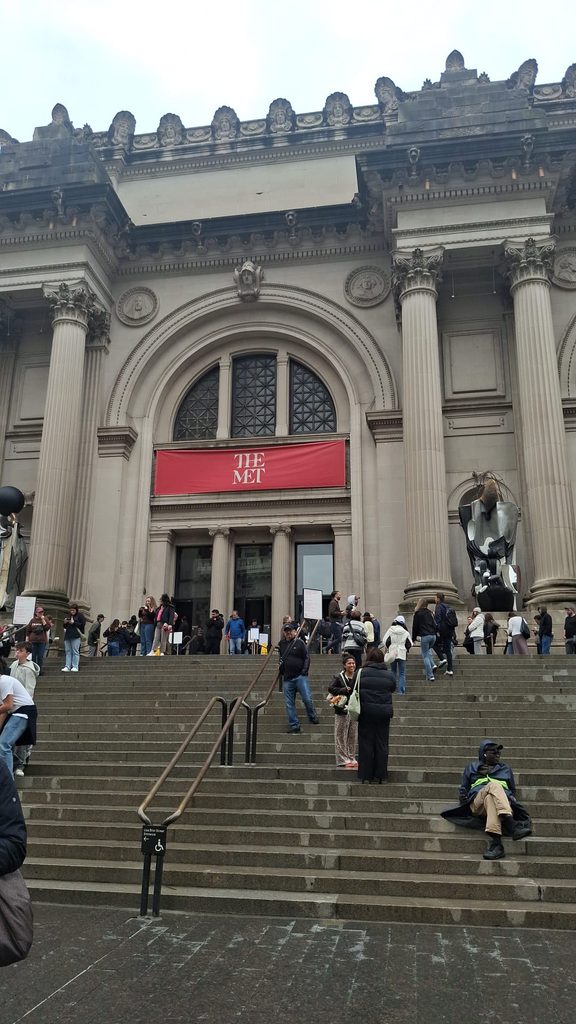
Che emozione trovarsi nell’immenso Met (Metropolitan Museum) di New York davanti a pezzi importanti di storia aquilana. Il dipinto “La Visitazione” di Saturnino Gatti (ca. 1490, al link https://www.metmuseum.org/art/collection/search/436445 ) e la statua in legno di “San Bernardino da Siena” (con l’immancabile IHS) di Fulvio Signorini (c.a 1600, al link https://www.metmuseum.org/art/collection/search/197461 )